


Prostate problems in men begin at the age of 40.Active inflammation in the prostate gland is caused by infectious viruses and bacteria, decreased immunity, diseases of the reproductive system, hormonal imbalance, and sexually transmitted diseases.The process of treating inflammation in the prostate does not cause any particular problems, because modern medicine offers a large number of special drugs and medicines that quickly and painlessly help to overcome prostatitis.Often, in cases of prostate problems, men are prescribed antibiotic treatment.Only a professional urologist can choose the right medicine and prescribe treatment.

Which antibiotic can be chosen for prostatitis
Prostatitis as a pathology is divided into two types: non-bacterial and bacterial (infectious).For non-bacterial prostatitis, antimicrobial drugs are not used.This kind of medicine is used for chronic and acute types of prostatitis.
In order for a man to understand what kind of antibiotics to take, and whether it is necessary to take antibiotics for prostatitis, he needs to find the cause of the disease (pathogen).To do this, you should undergo a step-by-step examination, which includes a urine test to identify pathogens (E. coli, Chlamydia, Mycoplasma, Staphylococcus and others).

It should be noted that you should not choose antibiotics for prostatitis on your own.You should know that when choosing an antibiotic for treatment, the sensitivity of individual bacteria to the drug should be taken into account.
The choice of antibiotic, dose and duration of treatment (course) depends on the type of pathology (acute or chronic).In most cases, doctors prescribe broad-spectrum antibiotics to men, combined with: vitamin therapy, means to normalize blood circulation and immunostimulating agents, antidepressants, massage, etc. (everything depends on the type of pathogen, as well as its sensitivity to drugs (antibiotics)).
A group of antibiotics in the treatment of prostatitis
Medicines used for prostatitis are available in the form of suppositories, tablets, injections or microenemas.Often, antibiotic tablets (broad spectrum) are prescribed to men if the cause (pathogen) of the disease has not been determined.
Antibiotics for prostatitis are divided into three types:
- Penicillin;
- Fluoroquinolones;
- Tetracyclines.
Often during the treatment of prostatitis, suppositories are prescribed for rectal use.Suppositories help relieve pain symptoms, have an anti-inflammatory effect, as well as an antibacterial effect.Suppositories, like injectable drugs, act immediately on the body, so treating prostatitis with suppositories is an effective technique.
The fastest acting antibiotic (solution) for injection.The injection solution improves the defense of the immune system and the entire vascular system of the body.In some cases, doctors use the transplant method.The transfer method is a process where a solution (antibiotic) is injected directly into the urethral canal.This procedure is performed on an empty bladder.
Also, there are methods of microenemas based on medicinal herbs (infusions, decoctions).This procedure is used in combination with drug treatment.The microenema procedure is performed before bedtime.
Treatment of prostatitis with antibiotics

The treatment process for prostatitis should be comprehensive and include different drug groups:
- painkillers;
- hormonal drugs;
- antibiotics;
- Alpha-blockers;
- anti-inflammatory and antiviral drugs.
Eliminates bacterial prostatitis
Bacterial prostatitis is only treated with antibiotics.Antibiotics in the form of tablets are taken for chronic and acute prostatitis, treatment lasts for 30 days.If prostatitis becomes more serious or complications appear, treatment will continue by injecting antibiotics into the urethral canal.
Also, in combination with antibiotic treatment, painkillers can be prescribed.But you need to be careful when taking them together, because an overdose of drugs (painkillers) can trigger the development of negative side effects.
Chronic prostatitis
For prostatitis alpha lecturer (non-bacterial) prescribed.This type of antibiotic relaxes the bladder neck and muscles, reducing pain (when urinating).Keep in mind that drugs in this group have side effects, including headaches and hypotension.
For chronic prostatitis (various forms), drugs containing hormones are prescribed.The fact is that an excess of the male hormone testosterone in human blood activates the proliferation process of the prostate gland.During the treatment, hormone levels come out and return to normal, and at the same time, the inflammatory process disappears.As well as additional treatment measures, herbal remedies are used to help relieve swelling and inflammation.
Viral prostatitis
For viral prostatitis, drugs with a spectrum of antiviral action are prescribed.
The course of treatment is supplemented with non-steroidal antiviral drugs.This group relieves pain, swelling and anti-inflammatory processes.In addition to the drugs listed, drugs are used to increase blood flow to the prostate gland.
To strengthen the immune system while taking antibiotic drugs for prostatitis, immunomodulators are used.
Antibiotic treatment regimen for prostatitis
When treating prostatitis with antibiotics, the course of treatment can range from 6 to 12 weeks.Drugs from different groups can be taken alternately or combined.
In severe cases, prostatitis can cause side effects: fever, headache, prostate pain.In such cases, the doctor prescribes antibiotics by injection (intravenous).The duration of this course is 4 weeks - 6, 7 weeks.
Doctors can prescribe several drugs at the same time.
After antibiotic treatment, the man's condition should improve;In cases where the condition does not improve, there is a possibility that the disease is caused by bacteria (infection).
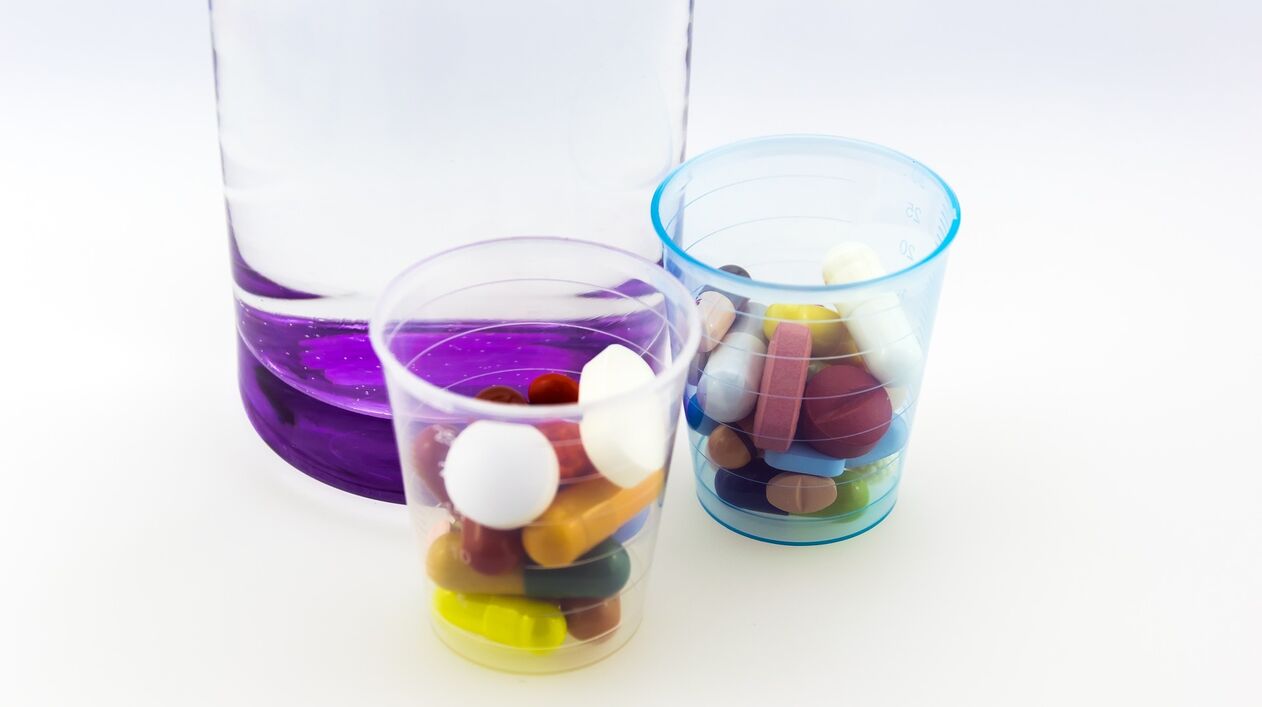
Completion of self-treatment is strictly prohibited!Although the man's condition improved.Prostatitis is a very dangerous disease that has occurred.
Effective drugs for the treatment of prostatitis
Only a professional urologist can choose an effective and correct drug and prescribe treatment.
To avoid complications and further development of this disease, follow the antibiotic regimen prescribed by your doctor.Do not self-medicate, do not use drugs from little-known pharmaceutical companies.Drugs from the "antibiotic" group have side effects that can harm all men's health, including sexual activity and overall normal well-being.